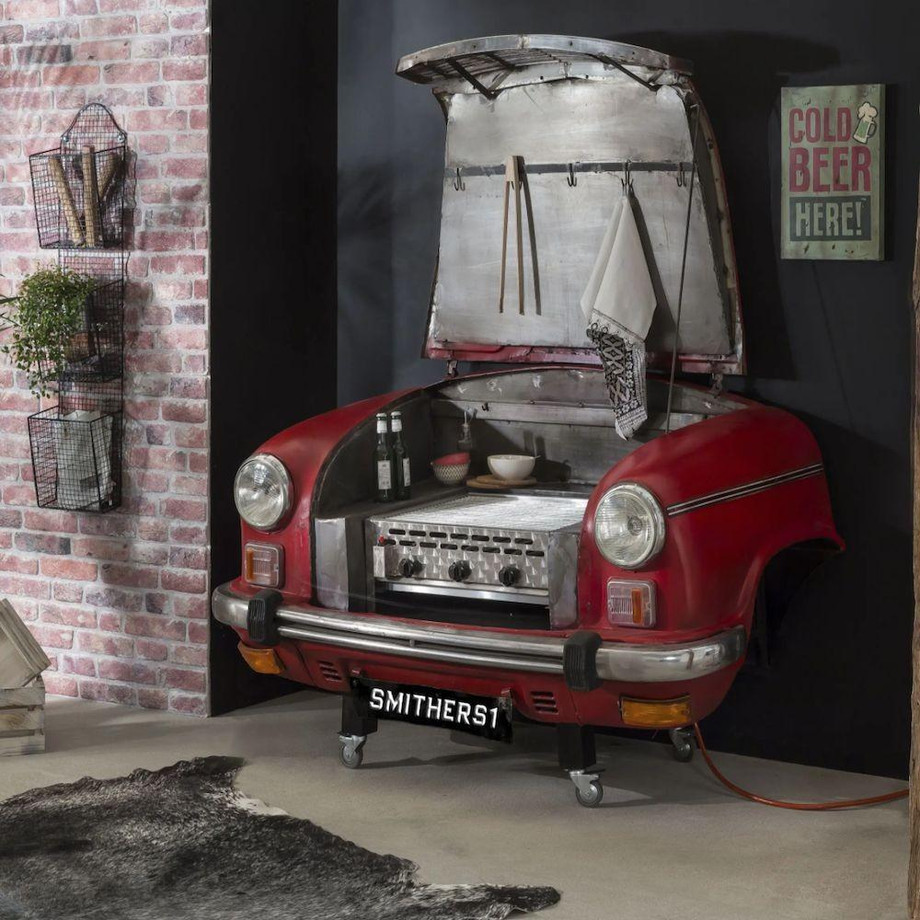
The Art of Bespoke Furniture: Crafting Unique Pieces for Individual Tastes
페이지 정보
본문
Introduction
Bespoke furniture, a term synonymous with customization and individuality, represents a unique segment in the furniture industry. It involves the creation of furniture pieces tailored to the specific requirements, preferences, and tastes of individual clients. Unlike mass-produced furniture, bespoke pieces are one-of-a-kind, crafted with meticulous attention to detail, and often reflect the personality and lifestyle of the owner. This report delves into the world of bespoke furniture, exploring its history, characteristics, benefits, process, materials, trends, and future prospects.
History of Bespoke Furniture
The concept of bespoke furniture dates back to ancient civilizations, where skilled artisans crafted furniture for royalty, nobility, and the elite. In medieval Europe, furniture makers created intricate pieces for castles, cathedrals, and mansions, often adorned with elaborate carvings, inlays, and upholstery. The Industrial Revolution brought about a shift towards mass production, but bespoke furniture remained a niche market, catering to the wealthy and discerning clients. In the 20th century, the Arts and Crafts movement and the rise of modernism revived interest in handcrafted, bespoke furniture, emphasizing simplicity, functionality, and quality.
Characteristics of Bespoke Furniture
Smithers bespoke furniture London designers furniture is characterized by its uniqueness, quality, and attention to detail. Each piece is designed and crafted to meet the specific needs and preferences of the client, taking into account factors such as space, style, and functionality. Bespoke furniture often features:
- Customized design: Tailored to the client's taste, lifestyle, and space requirements.
- High-quality materials: Premium woods, metals, fabrics, and finishes are used to ensure durability and aesthetics.
- Skilled craftsmanship: Experienced artisans and craftsmen employ traditional techniques and modern technology to create intricate and precise pieces.
- Attention to detail: Every aspect of the furniture, from joinery to finishing, is meticulously executed to achieve a flawless result.
- Sustainability: Many bespoke furniture makers prioritize eco-friendly materials and practices, reducing waste and minimizing environmental impact.
Investing in bespoke furniture offers numerous advantages, including:
- Uniqueness: Owning a one-of-a-kind piece that reflects personal style and taste.
- Quality: High-quality materials and craftsmanship ensure durability and longevity.
- Functionality: Customized design maximizes space utilization and meets specific needs.
- Emotional connection: Bespoke furniture often becomes a cherished family heirloom, passed down through generations.
- Supporting local artisans: Commissioning bespoke furniture supports skilled craftsmen and promotes local economies.
The process of creating bespoke furniture typically involves several stages:
- Consultation: The client meets with the furniture maker to discuss requirements, preferences, and budget.
- Design: The furniture maker creates initial sketches, 3D models, or prototypes to visualize the concept.
- Material selection: The client chooses materials, finishes, and fabrics, considering factors such as durability, aesthetics, and sustainability.
- Craftsmanship: Skilled artisans and craftsmen bring the design to life, using traditional techniques and modern technology.
- Finishing: The furniture undergoes meticulous finishing, including sanding, staining, polishing, and upholstery.
- Delivery and installation: The completed piece is delivered and installed in the client's space, ensuring a perfect fit and finish.
Bespoke furniture makers use a wide range of materials, including:
- Wood: Solid woods such as oak, walnut, and mahogany are popular choices for their durability, beauty, and versatility.
- Metal: Steel, brass, and copper are used for structural elements, accents, and decorative features.
- Fabric: High-quality fabrics such as linen, velvet, and leather are used for upholstery, adding texture, color, and comfort.
- Glass: Tempered glass is used for tabletops, shelves, and decorative elements, providing a modern and elegant touch.
- Stone: Marble, granite, and quartz are used for countertops, tabletops, and decorative features, adding a sense of luxury and sophistication.
The bespoke furniture industry is constantly evolving, with emerging trends shaping the market. Some notable trends include:
- Sustainability: Eco-friendly materials, practices, and certifications are becoming increasingly important, with clients prioritizing environmentally conscious choices.
- Minimalism: Simple, clean lines, and uncluttered designs are gaining popularity, reflecting a desire for calm and tranquility in the home.
- Technology integration: Smart furniture, featuring built-in charging stations, LED lighting, and wireless connectivity, is becoming more prevalent.
- Mixed materials: Combining different materials, such as wood and metal, creates unique and visually striking pieces.
- Customization: Clients are seeking even greater levels of customization, with options for personalized engravings, inlays, and finishes.
Despite its many benefits, bespoke furniture also faces challenges and limitations:
- Cost: Bespoke furniture can be significantly more expensive than mass-produced pieces, making it inaccessible to some clients.
- Lead times: The bespoke furniture process can be time-consuming, with lead times ranging from several weeks to several months.
- Limited scalability: Bespoke furniture makers often struggle to scale their businesses, as each piece requires individual attention and craftsmanship.
- Competition: The rise of online furniture retailers and mass-produced furniture has increased competition, making it challenging for bespoke furniture makers to stand out.
The future of bespoke furniture looks promising, with several factors driving growth and innovation:
- Increasing demand: As consumers become more discerning and seek unique, high-quality pieces, demand for bespoke furniture is expected to rise.
- Technological advancements: Digital design tools, 3D printing, and automation are revolutionizing the bespoke furniture industry, enabling faster production and greater customization.
- Sustainability focus: As environmental concerns grow, bespoke furniture makers are likely to prioritize sustainable materials and practices, appealing to eco-conscious clients.
- Collaboration and innovation: Partnerships between bespoke furniture makers, designers, and technologists are driving innovation, resulting in new materials, techniques, and designs.
Bespoke furniture represents a unique and valuable segment of the furniture industry, offering clients the opportunity to own one-of-a-kind pieces that reflect their individual tastes and lifestyles. With its emphasis on quality, craftsmanship, and customization, bespoke furniture continues to thrive, despite challenges and limitations. As the industry evolves, Smithers custom bespoke furniture London driven by technological advancements, sustainability concerns, and changing consumer preferences, bespoke furniture is poised to remain a cherished and sought-after luxury, providing clients with beautiful, functional, and meaningful pieces that will be treasured for generations to come.